DESIGN ADVANTAGES
PROFESSIONAL DESIGN BENEFITS
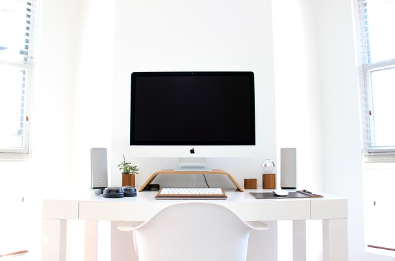
AESTHETIC EXPERTISE
Professional design expertise ensures aesthetically sophisticated cohesive interiors through trained understanding of design principles, color theory, spatial composition, and style coordination creating visually compelling environments exceeding amateur attempts. Design principle knowledge applies balance, proportion, rhythm, emphasis, and unity creating harmonious compositions where elements relate purposefully rather than appearing randomly collected. Color theory expertise understands hue relationships, value contrasts, saturation effects, and psychological impacts developing intentional palettes creating desired moods and visual flow throughout spaces. Spatial composition skills arrange elements considering visual weight, negative space, focal point creation, and sightline direction guiding attention and creating pleasing visual experiences. Style coordination maintains consistent aesthetic vocabulary across furnishings, finishes, and accessories creating unified cohesive appearance rather than disjointed collections of unrelated elements. Proportion awareness ensures furniture scale suits room dimensions, architectural features relate harmoniously, and decorative elements appear appropriately sized preventing overwhelming or insignificant appearances. Texture mixing combines various surface qualities including smooth, rough, soft, and hard creating tactile interest and visual depth preventing monotonous flat appearances. Pattern integration layers various prints, scales, and motifs coordinating rather than competing creating dynamic interest without visual chaos through skillful proportion and color relationships.
FUNCTIONAL PLANNING
Professional space planning optimizes room functionality through strategic furniture arrangement, efficient circulation, adequate storage, and activity zone definition improving daily living convenience and spatial utility. Traffic flow design ensures logical movement patterns between entry points, around furniture groupings, and through circulation paths preventing awkward navigation and spatial bottlenecks disrupting activities. Furniture layout positions pieces at appropriate distances supporting conversation, allowing comfortable passage, and creating functional groupings suited to intended activities and social interactions. Storage planning integrates adequate solutions through furniture selection, built-in systems, and creative approaches addressing organizational needs without sacrificing aesthetic quality or consuming excessive space. Activity zoning defines distinct functional areas within open spaces through furniture arrangement, area rug placement, and spatial definition supporting multiple simultaneous activities without interference. Scale consideration selects furniture appropriate for room dimensions preventing oversized pieces overwhelming spaces or undersized items appearing insignificant and inadequate. Flexibility incorporation maintains spatial adaptability through versatile furniture, modular systems, and multi-functional solutions accommodating changing needs and varied uses over time. Ergonomic optimization positions elements at comfortable heights, distances, and relationships supporting healthy posture and reducing physical strain during regular use.
CREATIVE SOLUTIONS
Design creativity develops innovative solutions addressing spatial challenges, budget constraints, and unique requirements through imaginative thinking, resourcefulness, and problem-solving expertise delivering custom approaches exceeding standard solutions. Custom furniture design creates built-in or bespoke pieces addressing specific spatial challenges, unusual dimensions, or particular functional requirements providing perfectly suited solutions unavailable through retail sources. Multi-functional approaches maximize spatial utility through pieces serving multiple purposes including storage ottomans, murphy beds, extendable tables, and convertible furniture supporting diverse activities within limited square footage. Material innovation explores unexpected finishes, repurposed elements, and creative applications achieving desired aesthetics within budget constraints through resourceful creative thinking rather than expensive conventional approaches. Spatial manipulation employs design techniques including mirrors, strategic lighting, color choices, and visual tricks making small spaces appear larger or awkward proportions more balanced. Architectural integration designs elements harmonizing with existing features, emphasizing positive characteristics while minimizing negative aspects through thoughtful color, material, and design choices. Problem resolution addresses challenging layouts, difficult proportions, or functional limitations through creative planning transforming problematic spaces into successful environments.
VALUE CREATION
Professional design adds tangible value through improved functionality, enhanced aesthetics, and increased property appeal supporting higher resale values, faster sales, and premium pricing justifying design investment through measurable returns. Property value increase results from professional design enhancing visual appeal, modernizing dated spaces, and demonstrating quality creating competitive advantages in real estate markets supporting premium pricing. Market appeal improvement attracts buyers through professionally designed spaces appearing move-in ready, well-maintained, and desirable reducing time-on-market and strengthening negotiating positions. Return on investment analysis demonstrates design spending generates returns through increased property values, energy efficiency improvements, and functional enhancements supporting financial justification for design projects. Quality perception enhancement signals attention to detail, investment in property, and superior standards creating positive impressions influencing buyer decisions and valuation perceptions. Timeless design choices select enduring styles, quality materials, and classic approaches maintaining relevance over time avoiding costly updates from trendy dated designs requiring frequent replacement.
PERSONALIZATION
Custom designs reflecting individual preferences and lifestyle.
QUALITY FOCUS
Professional standards ensuring superior results and satisfaction.
EFFICIENCY
Streamlined processes delivering projects on time and budget.